What does this term stand for?
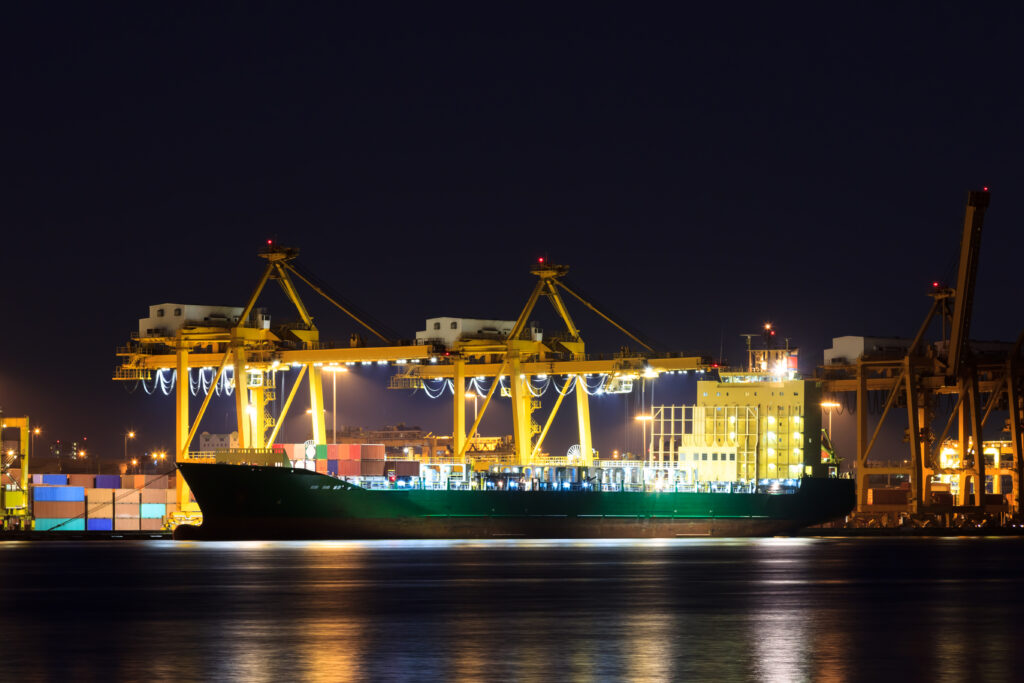
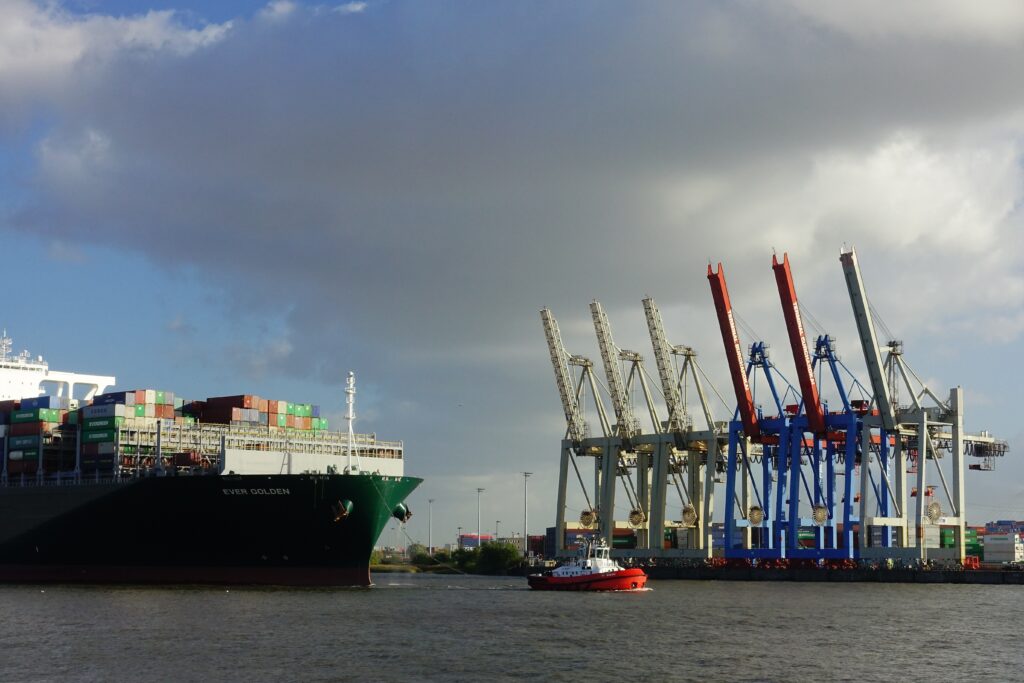
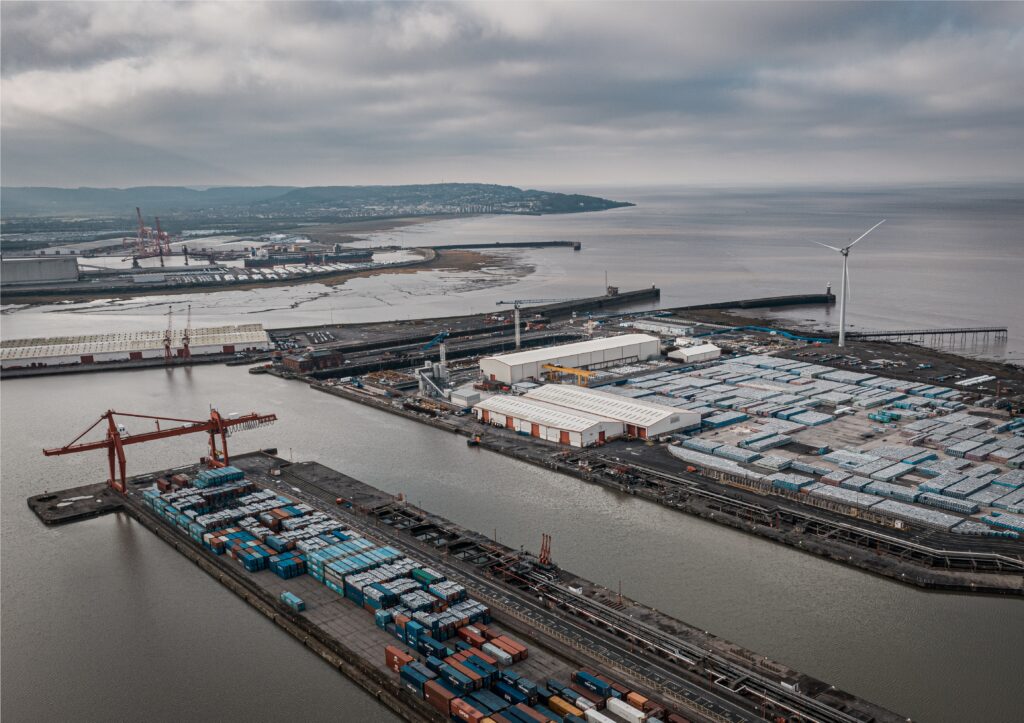
A port is a strategically designated location where ships load and unload cargo, acting as a central hub connecting maritime transportation with inland logistics networks, including road, rail, and sometimes inland waterways. Ports are critical nodes in global supply chains, performing functions such as cargo handling, storage, transshipment, customs inspection, documentation verification, and coordination with shipping lines and freight forwarders. Efficient port operations influence shipping schedules, freight costs, transit times, and the reliability of supply chain processes, while bottlenecks or delays at ports can disrupt production, distribution, and customer deliveries. Ports also provide infrastructure for container storage, specialized cargo handling (e.g., refrigerated or hazardous goods), and integration with multimodal transport systems, enabling smooth flow from origin to final destination.
Characteristics:
- Entry and exit point for cargo in maritime logistics
- Connects sea transport with road, rail, and inland logistics
- Supports customs inspection, documentation, and regulatory compliance
- Influences shipping schedules, transit times, and freight costs
- Facilitates multimodal transport, container handling, and specialized cargo management