What does this term stand for?
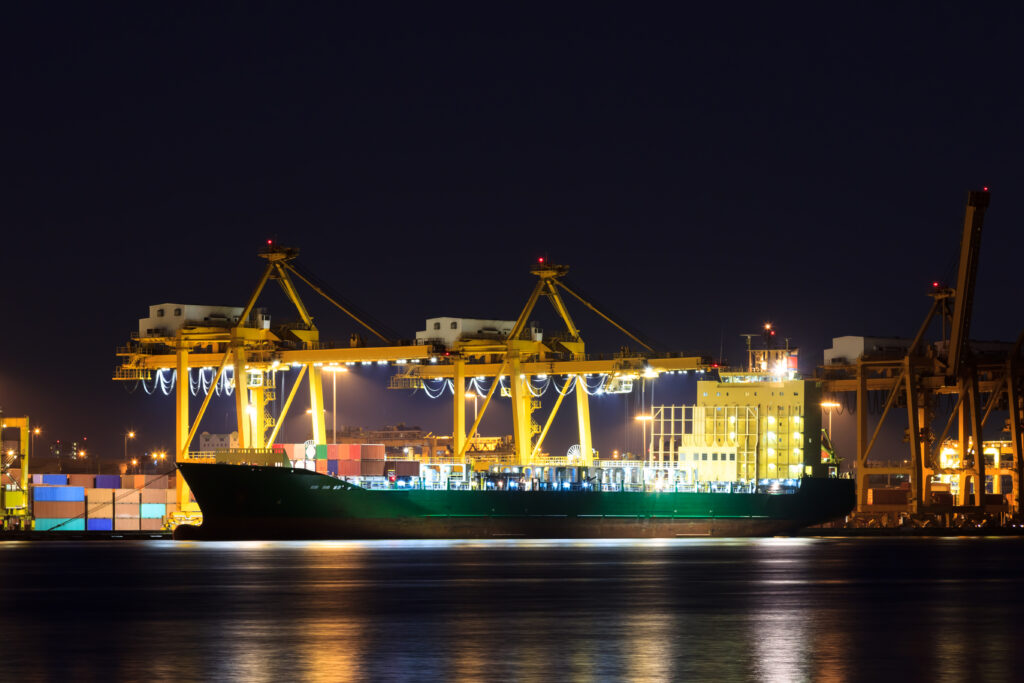
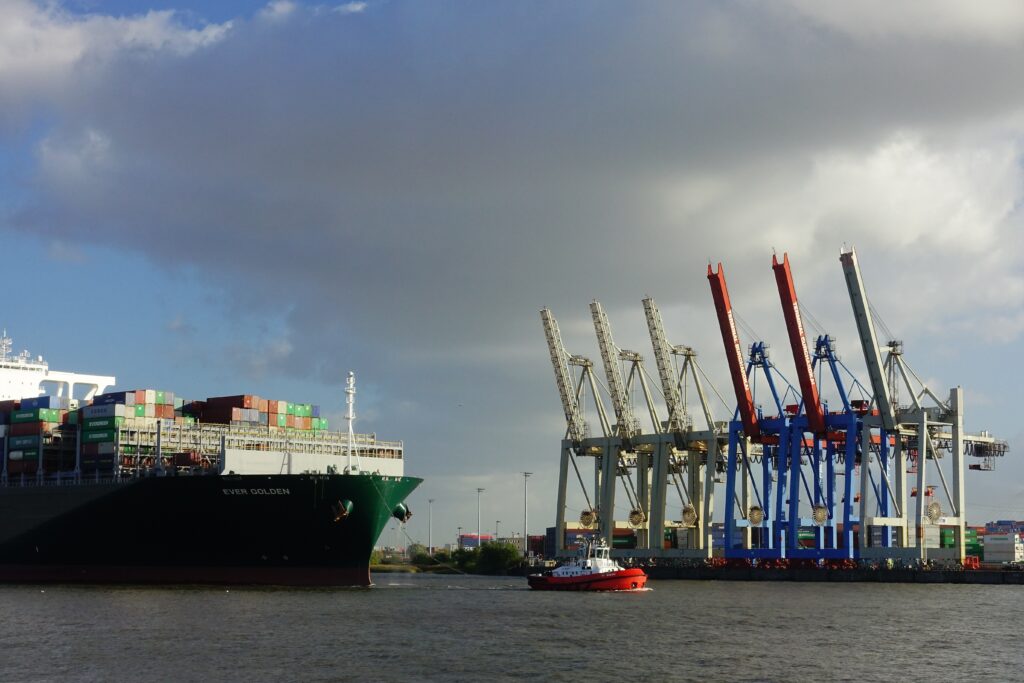
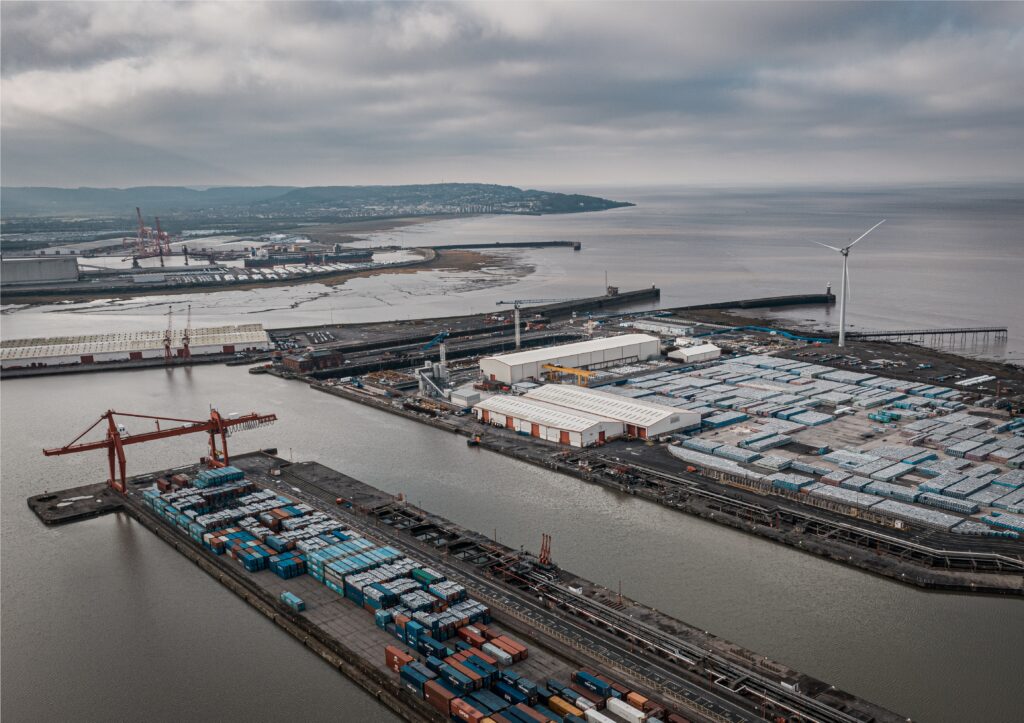
Ocean freight is the transportation of goods across seas and oceans using specialized cargo vessels such as container ships, bulk carriers, tankers, and Ro-Ro vessels, and it forms the core infrastructure of international commerce. It supports the movement of everything from raw materials like coal and iron ore to finished consumer electronics and automobiles. The process is highly complex, involving freight forwarders, shipping lines, port terminals, customs brokers, inland carriers, and insurance providers, all of whom must coordinate schedules, documentation, cargo handling, and regulatory compliance. Ocean freight also includes container management, transshipment operations at hub ports, and detailed stowage planning to ensure vessel stability and cargo safety over long distances.
Characteristics:
- Backbone of global trade and intercontinental logistics
- Handles extremely large shipment volumes at low cost per unit
- Requires multi-party coordination across international borders
- Involves port handling, customs clearance, and transshipment
- Suitable for heavy, oversized, and non-containerized cargo