
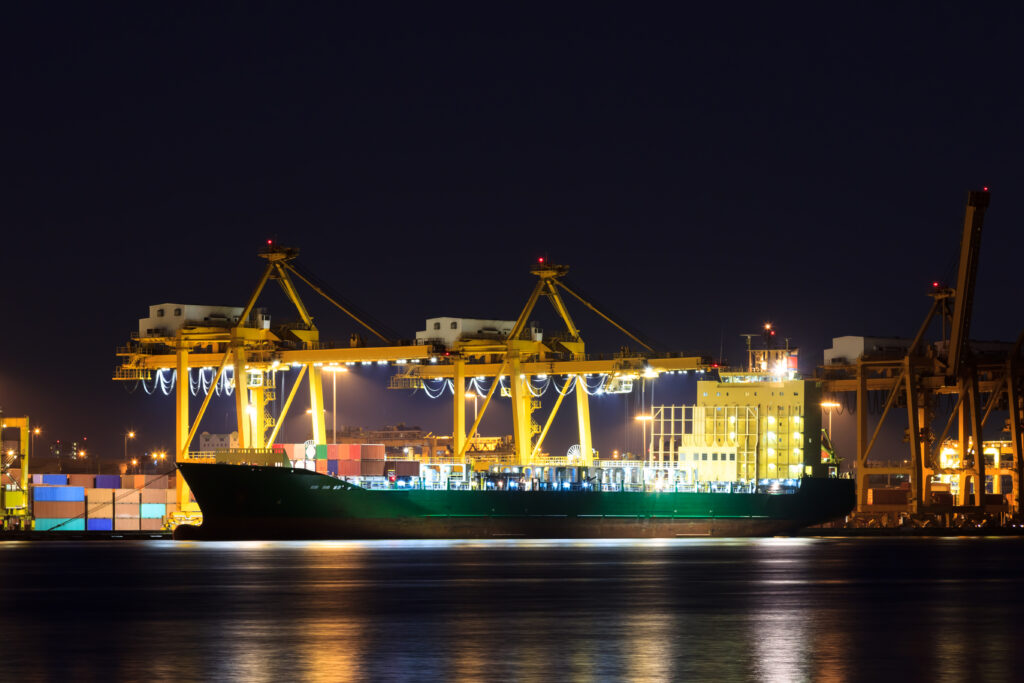
Mode of Transportation
What does this term stand for?
Mode of transportation refers to the selected method or vehicle used to transport goods from origin to destination, such as trucks, trains, ships, aircraft, or pipelines. Each mode has different speed, cost, capacity, and risk profiles, making careful selection critical for efficient logistics operations. Proper mode selection ensures cargo safety, timely delivery, and cost optimization, while supporting broader supply chain strategy and operational planning.
Characteristics:
- Defines the method for transporting goods
- Influences cost, speed, and delivery reliability
- Impacts cargo safety and handling requirements
- Supports operational and strategic supply chain planning
- Requires evaluation of shipment size, urgency, and infrastructure
You may also be interested in these articles
What Is Logistics Outsourcing? A Comprehensive Guide
Introduction ion to s Logistics outsourcing is a strategic lever for B2B...
Logistics Challenges and How to Overcome Them:
Introduction For larger B2B companies, B2B logistics has changed from needing to...
Supply Chain Efficiency: How to Achieve It
Introduction Supply chains have become a strategic position for B2B enterprises to...

Can't find what you're looking for?
Our logistics experts are here to help answer any questions about
shipping, customs, or supply chain terminology.