
International Transportation
What does this term stand for?
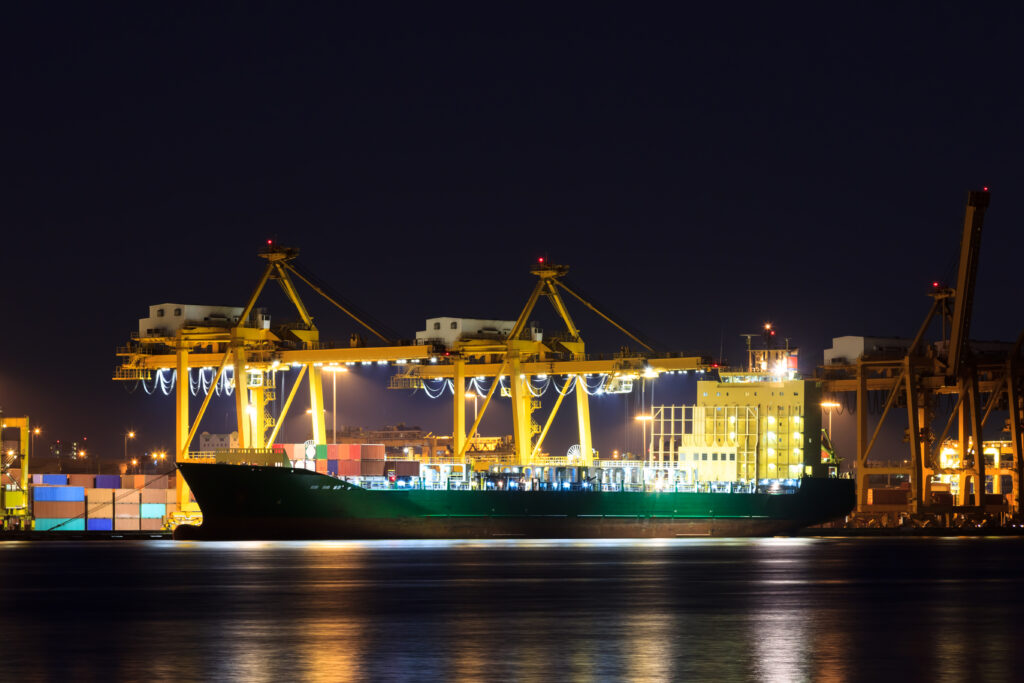
International transportation is the movement of goods across national borders via various transport modes such as sea, air, road, or rail. It involves complex coordination, including customs compliance, trade documentation, tariffs, duties, and adherence to international trade agreements. Effective international transportation ensures timely delivery, minimizes costs, and reduces the risk of damage or delays. It is a key element of global supply chains and requires strategic planning, documentation accuracy, and reliable partnerships with carriers and freight forwarders.
Characteristics:
- Moves goods across countries and regions efficiently
- Requires compliance with customs and international trade regulations
- Involves planning across multiple transport modes
- Manages risks, tariffs, and trade-related formalities
You may also be interested in these articles
What Is Logistics Outsourcing? A Comprehensive Guide
Introduction ion to s Logistics outsourcing is a strategic lever for B2B...
Logistics Challenges and How to Overcome Them:
Introduction For larger B2B companies, B2B logistics has changed from needing to...

Supply Chain Efficiency: How to Achieve It
Introduction Supply chains have become a strategic position for B2B enterprises to...

Can't find what you're looking for?
Our logistics experts are here to help answer any questions about
shipping, customs, or supply chain terminology.