
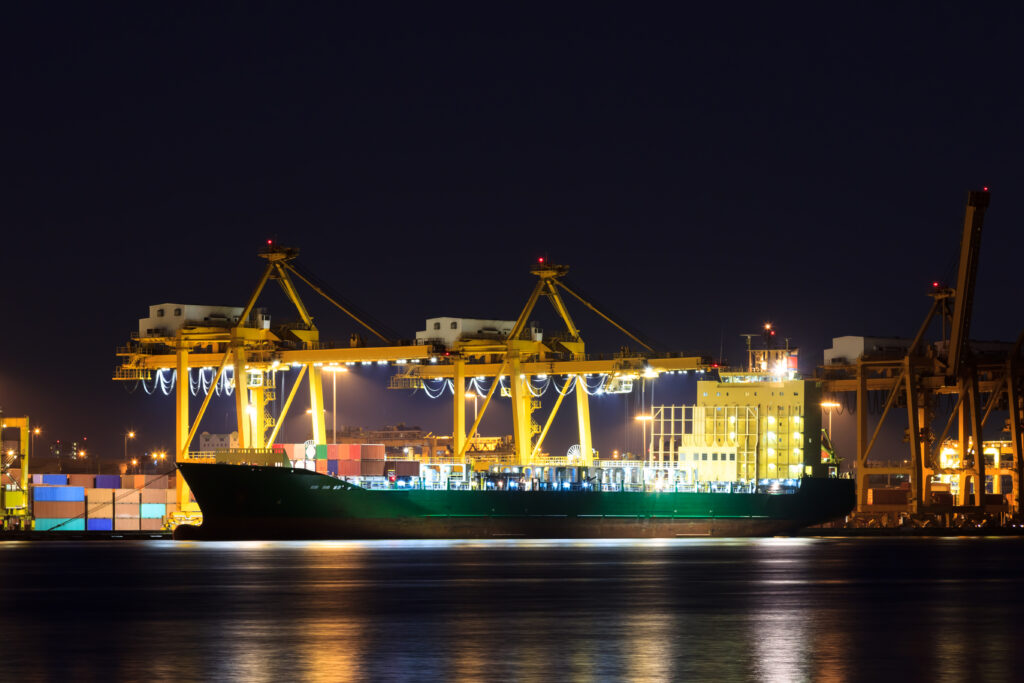
Barge
Barge
What does this term stand for?
A barge is a flat-bottomed vessel specifically designed for the transportation of cargo on inland waterways, including rivers, canals, and coastal waters. Unlike most commercial vessels, barges are typically non-self-propelled and must be pushed or towed by tugboats or towboats to navigate waterways. These vessels serve as a critical component of multimodal transportation networks, offering a cost-effective and environmentally efficient method for moving large volumes of bulk commodities and containerized freight over water routes where draft restrictions or infrastructure limitations make other vessel types impractical.
Key Characteristics
- Flat-Bottomed Design
- Non-Self-Propelled Operation
- High Cargo Capacity
- Cost and Environmental Efficiency
Types of Barges
- Dry Cargo Barges
- Liquid Cargo Barges (Tank Barges)
- Specialized Barges
You may also be interested in these articles
What Is Logistics Outsourcing? A Comprehensive Guide
Introduction ion to s Logistics outsourcing is a strategic lever for B2B...
Logistics Challenges and How to Overcome Them:
Introduction For larger B2B companies, B2B logistics has changed from needing to...
Supply Chain Efficiency: How to Achieve It
Introduction Supply chains have become a strategic position for B2B enterprises to...

Can't find what you're looking for?
Our logistics experts are here to help answer any questions about
shipping, customs, or supply chain terminology.